

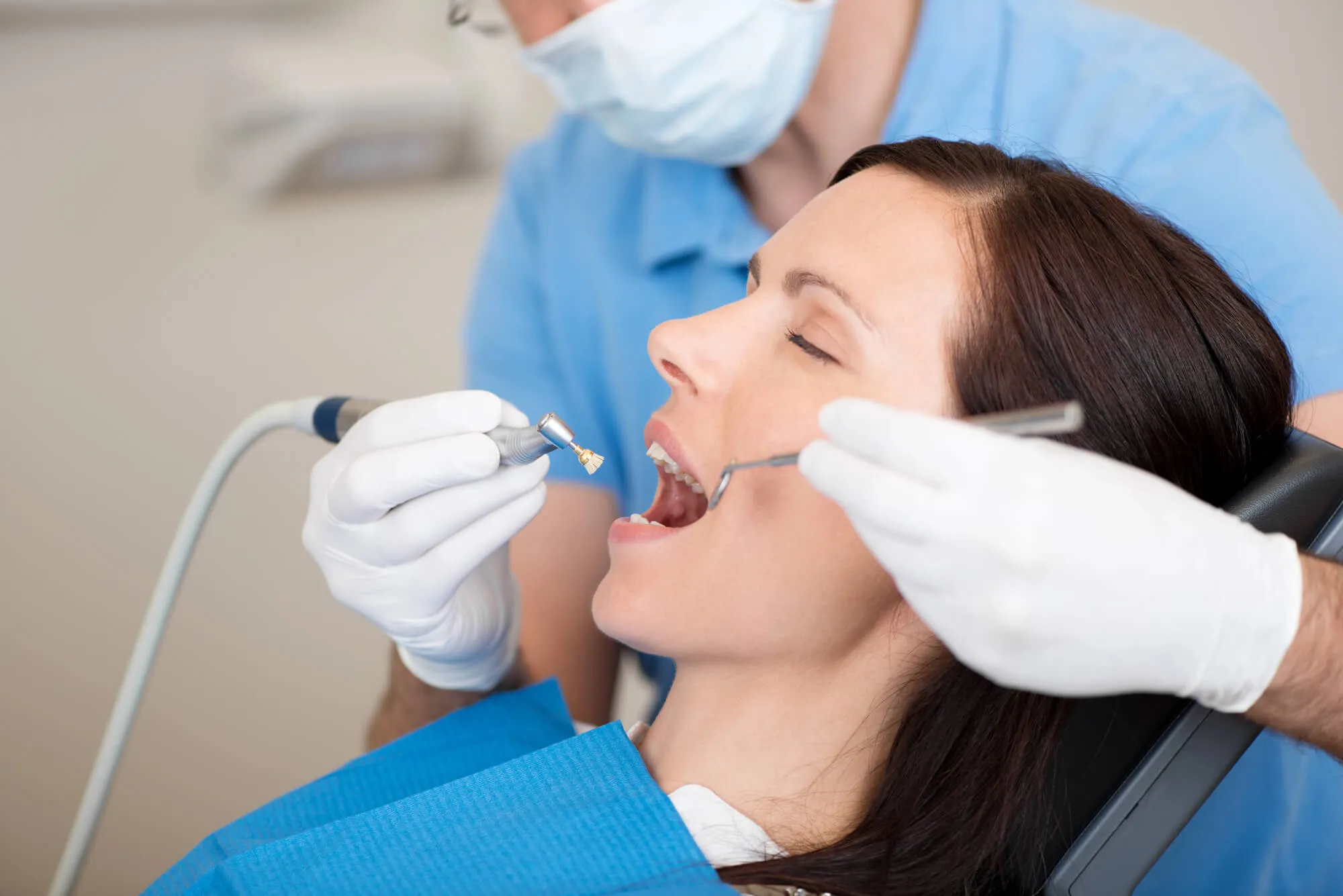
You brush carefully, floss between your teeth, and leave the bathroom with your mouth feeling clean. Hours later, you may run your tongue over certain teeth and notice that familiar fuzzy coating again. Why does plaque seem to collect faster in some places, even when you follow a consistent oral hygiene routine?
The answer often comes down to tooth position, shape, and areas that are harder to clean. A visit to a dental office in Marietta can help pinpoint where buildup tends to occur and why.
Why Are Some Teeth More Prone to Plaque Buildup?
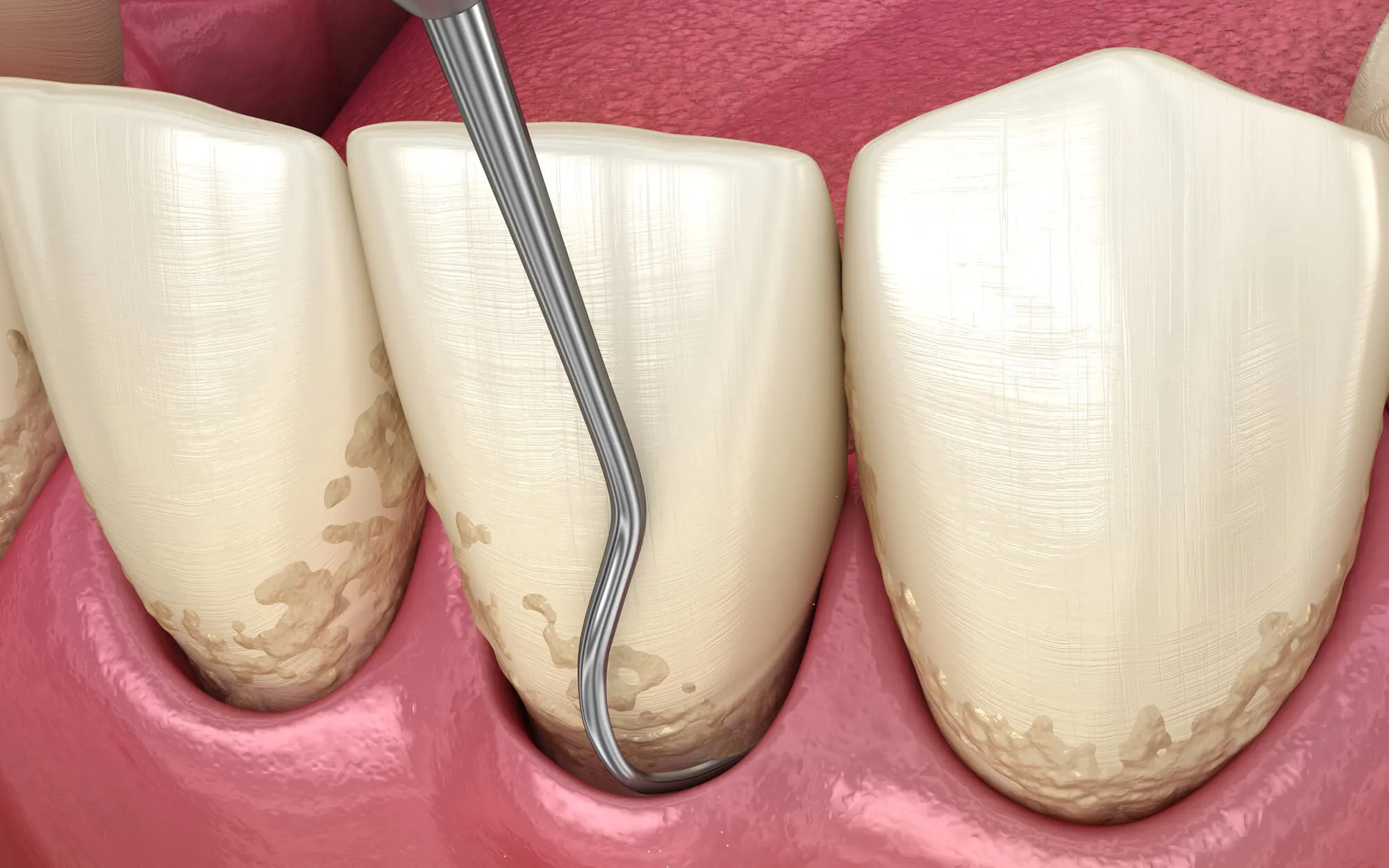
Plaque is a soft, sticky film containing bacteria that continually forms on your teeth. Regular brushing and flossing help remove plaque, but some areas of your mouth naturally provide more places for it to collect. Knowing which areas deserve extra attention can make your daily routine more effective.
Crowded Teeth Can Be Harder to Clean
When teeth overlap or sit very close together, your toothbrush may not reach every surface. Narrow spaces can hold plaque even when the visible portions of your teeth look clean.
Flossing helps reach the surfaces between teeth that your toothbrush cannot access. Your dentist or hygienist can also show you which areas you may be missing and recommend cleaning techniques suited to your teeth.
Back Teeth Have More Grooves
Molars are not as smooth as your front teeth. Their chewing surfaces contain natural pits and grooves that can trap food particles and plaque.
Their position at the back of the mouth can make thorough brushing more challenging, too. Taking extra time to brush these surfaces can help. For teeth with deeper grooves or a higher risk of cavities, dental sealants may be recommended. Sealants cover the chewing surfaces to create a protective barrier against plaque, food particles, and acids.
Plaque Often Collects Along the Gumline
The area where your teeth and gums meet is easy to skim over when brushing. Plaque that remains there may irritate the gums and contribute to gum disease.
A soft-bristled toothbrush held at about a 45-degree angle toward the gumline can help clean this area. Use gentle, small strokes rather than aggressive scrubbing, which can irritate the gums.
The Spaces Between Your Teeth Need Separate Attention
Brushing alone cannot thoroughly clean the surfaces where neighboring teeth touch. These hidden areas are another place where plaque can remain.
Daily flossing helps remove plaque between teeth and near the gumline. Instead of simply moving the floss straight up and down, gently curve it around each tooth so it contacts more of the surface.
Plaque Can Harden Into Tartar
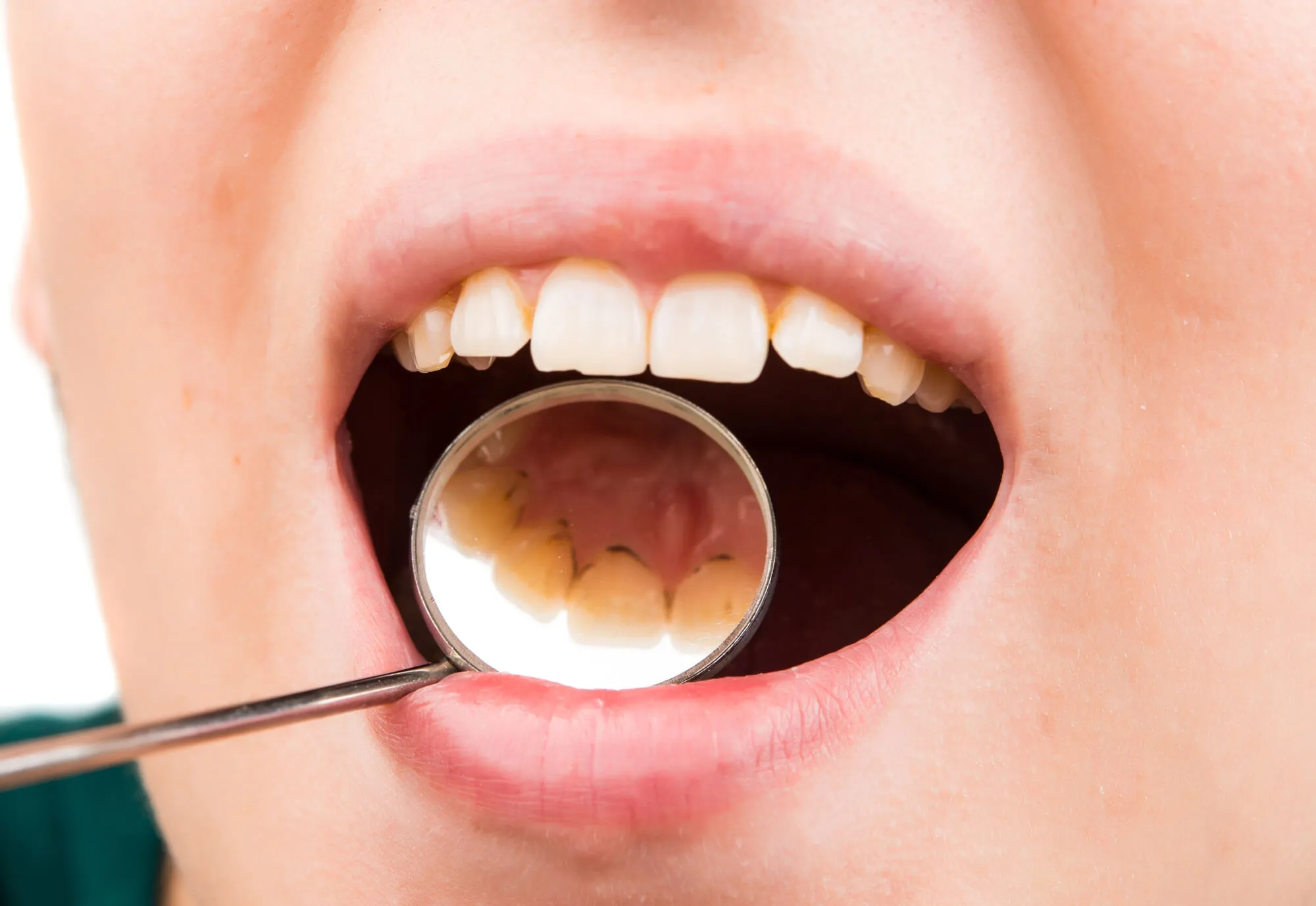
Plaque that stays on the teeth can eventually harden into tartar, also called calculus. Unlike soft plaque, tartar cannot be removed with regular brushing or flossing.
Professional dental cleanings remove tartar and plaque from areas that are difficult to reach at home. Your hygienist can also identify spots where buildup tends to recur and offer practical suggestions for keeping those areas cleaner between appointments.
Keep Plaque Buildup Under Better Control
Plaque continually forms, so keeping your teeth clean requires consistent care rather than trying to prevent it altogether. Brush thoroughly, floss every day, and give crowded teeth, molars, spaces between teeth, and the gumline a little extra attention.
At Dentistry at Kennestone, Dr. Foxhall and the team focus on patient-centered care, clear communication, and practical oral health education in a comfortable setting. If plaque seems to return quickly despite regular brushing and flossing, schedule an appointment at our dental office in Marietta. Our team can identify areas that need extra attention and help you improve your home care routine.