


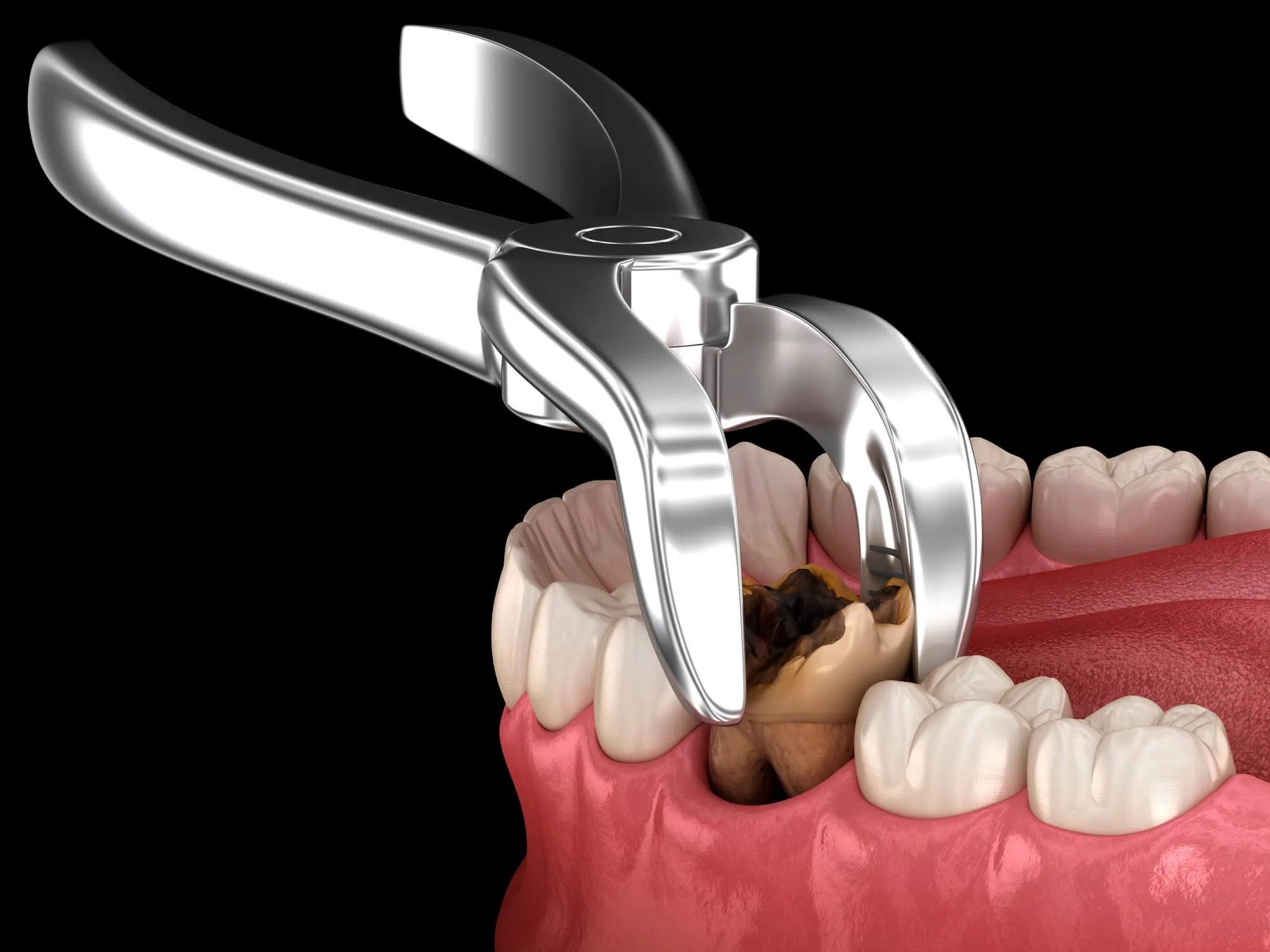
Not every damaged tooth needs to be removed. A cavity, crack, or broken filling may look alarming, but many teeth can still be restored with the right treatment. Before recommending tooth extractions, your dentist carefully examines the condition of the tooth, the surrounding tissues, and overall oral health. Understanding what goes into that decision can help you feel more confident about your care.
How Dentists Determine the Right Treatment
Every tooth is different. A recommendation is based on a thorough examination, not just what can be seen on the surface. Dentists consider how healthy the tooth remains, whether it can function properly after treatment, and how it may affect your overall oral health in the future.
How Much Healthy Tooth Structure Remains
One of the first things your dentist evaluates is how much of the natural tooth can still be preserved. Small areas of decay or damage can often be restored with a tooth-colored filling. If more of the tooth has been affected, a dental crown may provide the strength needed to protect what remains.
Preserving natural teeth is often the preferred approach because they continue to function naturally and help maintain your bite.
Whether the Tooth Can Be Restored Successfully
Restoring a tooth should provide lasting comfort and function. Your dentist considers whether a filling or a crown will give the tooth enough support for everyday activities like chewing and speaking.
If the tooth cannot provide reliable function after treatment, another option may be recommended.
The Health of the Surrounding Bone and Gums
Healthy gums and supporting bone are essential for keeping a tooth stable. During your evaluation, your dentist checks whether these supporting structures remain healthy enough to support long-term success.
Dental X-rays also help reveal concerns that cannot be seen during a visual examination, allowing your dentist to make a more complete assessment.
When Tooth Extractions May Be the Better Option
Although preserving natural teeth is usually the goal, there are situations where removing a tooth may better support your overall oral health.
The Tooth Has Extensive Damage
Large fractures or widespread decay may leave too little healthy tooth structure to restore safely. In these cases, a filling or crown may not provide the strength needed for long-term function.
The Tooth Can No Longer Support Daily Function
Sometimes a damaged tooth no longer allows comfortable chewing or has become unstable. If restoring the tooth is unlikely to provide predictable results, removal may be recommended to help prevent future complications.
Keeping the Tooth Could Affect Nearby Teeth
A severely damaged tooth can sometimes place neighboring teeth at greater risk. Removing the affected tooth may help protect surrounding structures while allowing your dentist to discuss appropriate replacement options if needed.
Early Care Often Creates More Options
Many dental concerns begin as small problems that are easier to manage early. Regular dental visits give your dentist the opportunity to identify decay, fractures, worn restorations, or other changes before they become more extensive.
Seeking care promptly may increase the chances of preserving your natural tooth and keeping treatment less involved.

Talk to a Dentist About Tooth Extractions
Every smile deserves thoughtful, personalized care. Whether your tooth can be restored with a filling or a crown or whether tooth extractions are the healthier option, the right recommendation starts with a careful evaluation and an open conversation.
At Dentistry at Kennestone, Dr. Foxhall and the team are committed to helping patients feel comfortable, listened to, and well-informed throughout every visit. If you're concerned about a damaged tooth, schedule an appointment today to receive compassionate care focused on supporting your long-term oral health.